
Nepal is seeking international climate compensation after a devastating flood and landslide disaster killed more than a thousand people and left thousands missing.
The demand has opened a much bigger global debate: If a country contributes very little to global greenhouse-gas emissions but suffers enormous damage from climate-related disasters, should wealthier and higher-emitting countries help pay for those losses?
Nepal says the answer should be yes.
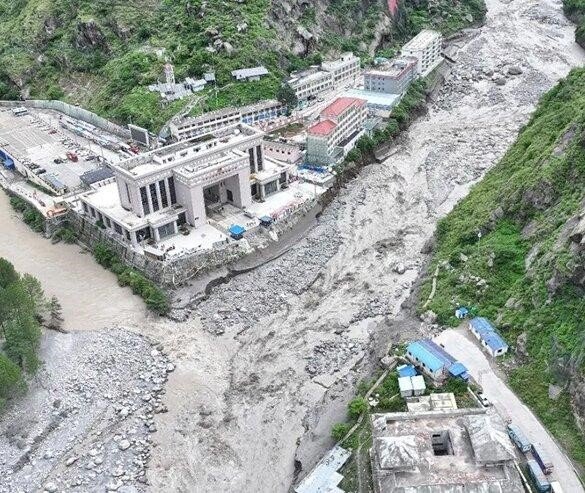
Following the catastrophic August 26, 2026 Bhote Koshi flood, Nepal has approached the United Nations-backed Fund for Responding to Loss and Damage, seeking urgent financial support. The disaster caused extensive damage to homes, roads, bridges, hydropower projects and other infrastructure.
Why Is Nepal Asking for Climate Compensation?


Nepal’s argument is based on a basic climate-justice principle.
The country contributes only a tiny share of global greenhouse-gas emissions, yet its geography makes it highly vulnerable to climate-related hazards.
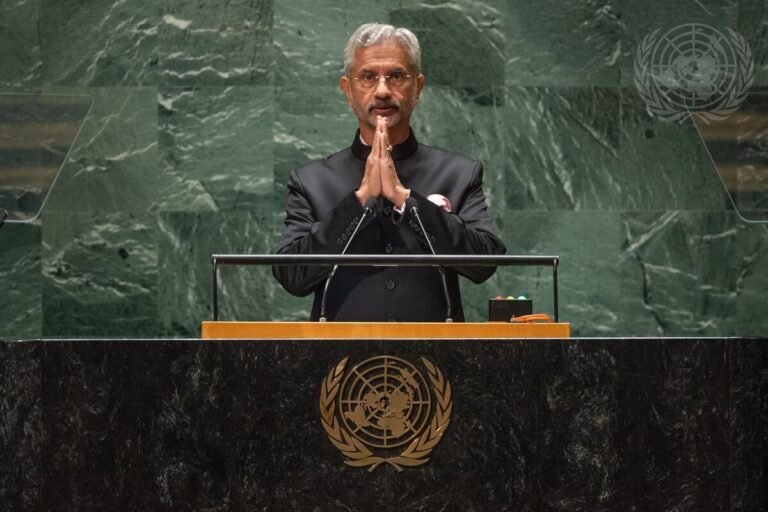
Nepal’s Foreign Minister Shisir Khanal has argued that support for vulnerable countries should not be viewed simply as charity.
He described the issue as one of justice and fairness, pointing to Nepal’s very small contribution to global emissions compared with the scale of the damage it is experiencing.
The argument is particularly significant for Himalayan countries, where rising temperatures can affect glaciers, snow, permafrost, rivers and mountain slopes.
What Happened in the August 26 Nepal Flood?
The disaster began in the Himalayan region near the Nepal-China border.
A combination of glacier and ice movement, rockfall and other mountain processes contributed to a massive flood carrying water, mud, rocks and debris downstream.
The resulting torrent devastated communities along the river system.
The disaster destroyed or severely damaged infrastructure, including roads, bridges and hydropower facilities. The human toll has continued to rise as rescuers reach remote areas.
The latest reports have put Nepal’s confirmed death toll at more than 1,200, with thousands of people still missing.
What Is the “Loss and Damage” Fund?
This is where Nepal’s request becomes especially important.
The Fund for Responding to Loss and Damage is an international mechanism created under the UN climate process to provide financial assistance to developing countries particularly vulnerable to climate-change impacts.
The basic idea is different from traditional climate finance.
Climate finance can support things such as:
- Building flood barriers
- Improving drainage
- Installing early-warning systems
- Strengthening infrastructure
- Preparing communities for future climate risks
Loss and damage finance focuses more directly on damage that has already occurred or cannot simply be prevented through adaptation.
That can include destruction of:
- Homes
- Roads
- Bridges
- Schools
- Hospitals
- Agricultural land
- Livelihoods
- Cultural resources
- Critical infrastructure
Nepal’s current request is therefore important because it could test how the international loss-and-damage system responds to a major real-world disaster.
Can Nepal Actually Get Paid?
Potentially, but it is not automatic.
Nepal has formally requested support from the UN-backed fund following the Bhote Koshi disaster. However, the mechanism is still relatively new and faces enormous demand from vulnerable countries around the world.
The key questions include:
- Does the disaster qualify under the fund’s rules?
- How quickly can money be released?
- How much funding is available?
- What evidence is required to establish losses?
- Will the funding be provided as grants, loans or other forms of assistance?
- How will responsibility for individual disasters be assessed?
These questions make Nepal’s case closely watched internationally.
Is Climate Compensation the Same as Paying for Climate Change?
Not exactly.
This distinction is extremely important.
Nepal is not simply saying that one country directly caused one particular flood.
Instead, the broader argument is that global warming is increasing risks for vulnerable countries, while historical and current emissions are highly unequal between countries.
Scientists have linked warming in the Himalayas to changes in glaciers, snow and mountain environments, increasing the risks associated with floods, landslides and other hazards.
However, determining exactly how much of a particular disaster was caused by climate change is scientifically complicated.
A disaster can involve multiple factors, including:
- Rainfall
- Glacier conditions
- Rock instability
- River geography
- Land use
- Infrastructure
- Local weather patterns
Therefore, climate compensation does not necessarily mean calculating a simple bill and sending it to one particular country.
Why Are India, China and the United States Being Mentioned?
Nepal has specifically highlighted the responsibility of major greenhouse-gas emitters.
Reports say Nepal’s diplomatic campaign is seeking climate-related compensation from major emitters including India, China and the United States.
But there is an important distinction between climate compensation and ordinary humanitarian assistance.
India and China have already provided emergency assistance following the disaster.
Nepal’s Prime Minister Balendra Shah has also thanked India and China for their support.
Nepal’s climate-compensation argument is broader: it concerns long-term financial responsibility for climate-related losses rather than simply emergency relief after one disaster.
How Much Will Nepal Need to Rebuild?


The financial challenge is enormous.
Nepal’s Finance Minister has estimated that recovery and reconstruction could require around $4 billion to $5 billion, although assessments are still developing.
A more recent assessment reported that approximately 20,000 homes may need reconstruction.
The disaster has also damaged critical infrastructure and energy projects, making recovery even more expensive.
For a relatively small economy such as Nepal’s, a disaster of this scale can create a major burden on public finances.
This is one reason why Nepal believes international climate finance is essential.
Why Does the Himalayan Region Need Special Attention?
The Himalayas are often described as the “Third Pole” because they contain enormous quantities of snow and ice outside the Arctic and Antarctic regions.
Millions of people depend on Himalayan water systems.
But warming temperatures are changing the region.
Potential risks include:
- Glacier instability
- Glacial lake outburst floods
- Landslides
- Rockfalls
- Flash floods
- Changing river flows
- Permafrost thaw
- Damage to mountain infrastructure
The recent Nepal disaster has therefore become a warning about the vulnerability of mountain communities to rapidly changing environmental conditions.
What Could Climate Compensation Pay For?
If Nepal receives international loss-and-damage funding, the money could potentially support recovery from climate-related losses and strengthen resilience.
Possible areas could include:
Rebuilding Homes
Thousands of families have lost houses or cannot safely return to damaged structures.
Rebuilding Infrastructure
Roads, bridges, electricity networks and communication infrastructure will require major investment.
Disaster Early-Warning Systems
Nepal is already considering stronger monitoring systems using seismic sensors, satellite connectivity and other technologies.
Supporting Displaced Families
People who have lost homes and livelihoods may need financial and humanitarian support during the recovery period.
Protecting Future Communities
Funding could also help Nepal identify safer locations for rebuilding rather than reconstructing vulnerable settlements in exactly the same places.
What Are the Challenges to the Climate Compensation System?
The biggest challenge is money.
Many developing countries are vulnerable to climate disasters, and their financial needs are enormous.
At the same time, the international loss-and-damage system is still developing.
Another challenge is determining responsibility.
It is difficult to say that a single flood happened solely because of greenhouse-gas emissions from a particular country.
Scientists therefore need to distinguish between:
Climate change increasing risk
and
Climate change directly causing a specific event.
That distinction will matter when countries seek financial support.
Could Nepal’s Case Set a Global Precedent?
Yes.
Nepal’s request could become important beyond Nepal itself.
If the international community develops a practical system for providing rapid assistance after major climate disasters, other vulnerable countries could use similar mechanisms.
Small island nations, African countries, Himalayan states and other developing regions have repeatedly argued that they face serious climate impacts despite contributing relatively little to global emissions.
Nepal’s case therefore represents a much larger question:
Who should pay when climate-related disasters cause enormous losses in countries that did little to create the climate problem?
Climate Compensation vs Humanitarian Aid: What’s the Difference?
| Humanitarian Aid | Climate Compensation / Loss & Damage |
|---|---|
| Usually responds to an immediate emergency | Focuses on longer-term climate-related losses |
| Food, medicine and rescue support | Recovery and reconstruction support |
| Often provided after disasters | Can address unavoidable climate impacts |
| Mainly short-term | Potentially longer-term |
| Usually voluntary assistance | Linked to international climate-finance mechanisms |
In reality, the two can overlap.
A country may need emergency humanitarian assistance immediately while simultaneously seeking longer-term loss-and-damage financing.
What Happens Next for Nepal?
Nepal now has two major priorities.
First, rescue and humanitarian operations must continue.
Thousands of people remain missing, while displaced families need shelter, clean water, medical care and other essential supplies.
Second, Nepal must begin a long-term reconstruction programme.
That means rebuilding homes and infrastructure while also making communities safer against future disasters.
The country’s request to the Loss and Damage Fund could become an important part of that process.
Final Verdict
Nepal’s demand for climate compensation has transformed a devastating flood into a much larger international climate debate.
The country argues that it contributes very little to global greenhouse-gas emissions but is facing enormous human and economic losses from a changing climate.
Its request to the UN-backed Loss and Damage Fund could become an important test of whether international climate finance can move from promises to practical support when disaster strikes.
But climate compensation is unlikely to be simple or immediate.
Questions about scientific attribution, eligibility, available funding and international responsibility will all have to be addressed.
For Nepal, however, the message is clear: emergency aid can help people survive a disaster, but long-term climate finance may be necessary to help vulnerable countries rebuild and prepare for what comes next.
About the Author