

5
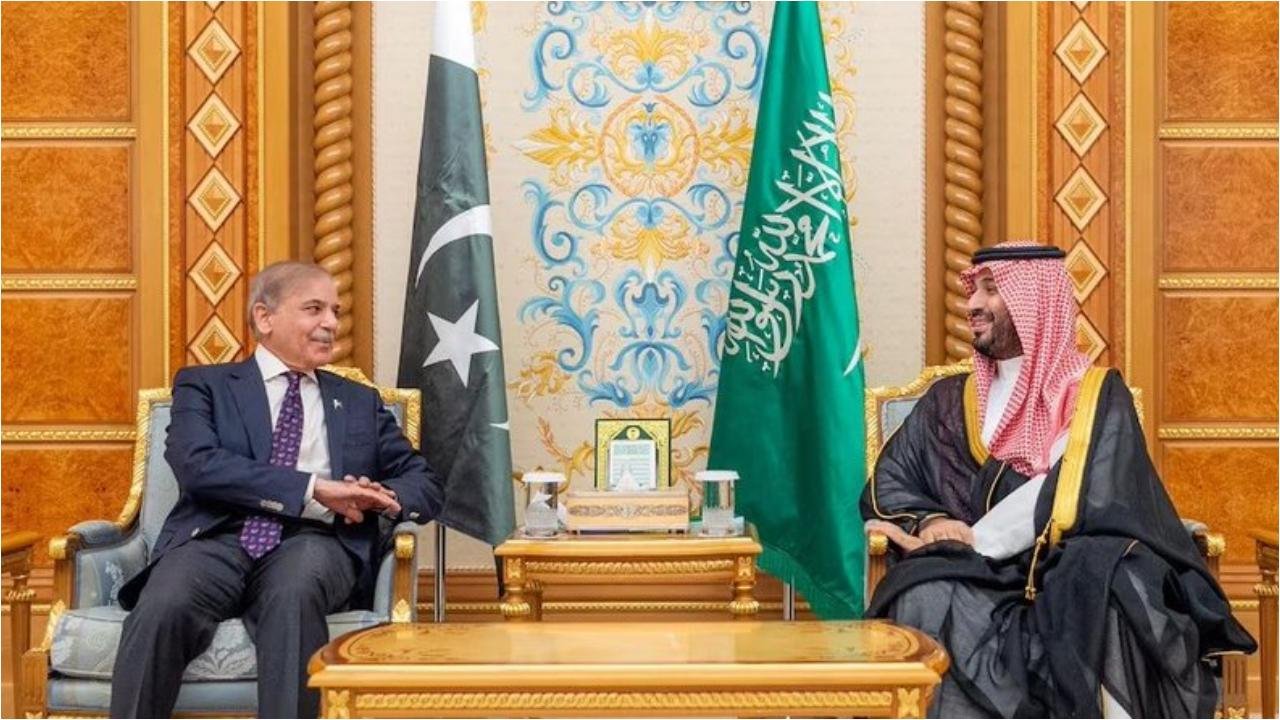
Pakistan has reaffirmed that it is prepared to fulfil its commitments under the newly signed Makkah Joint Defence Agreement with Saudi Arabia and Türkiye, as tensions involving Saudi Arabia and Yemen’s Houthi forces continue to rise. Pakistan Defence Minister Khawaja Asif said Islamabad would stand by Saudi Arabia if the situation escalates, while details of any possible military response have not been publicly disclosed.
The statement comes after Saudi authorities reported that their air-defence systems intercepted and destroyed a Houthi drone south of Makkah. The incident has increased attention on the recently signed defence agreement and raised questions about how Pakistan could respond if attacks against Saudi territory continue.
What Is the Mecca Pact?
The agreement, officially described as a joint defence arrangement between Pakistan, Saudi Arabia and Türkiye, was signed on August 7, 2026. Its central principle is collective defence: an armed attack against one of the participating countries is treated within the agreement as an attack affecting all three.
The pact has become particularly significant because of the renewed fighting and security threats connected to Yemen. Pakistan has historically maintained close defence and diplomatic relations with Saudi Arabia, while Türkiye is also an important regional partner.
The agreement is therefore being closely watched as the security situation around Saudi Arabia develops.
Khawaja Asif Says Pakistan Will Fulfil Its Responsibilities
Pakistan’s Defence Minister Khawaja Asif said Pakistan would fulfil its obligations under the Makkah agreement.
According to reports, Asif said the agreement applies to Pakistan and that the country would perform its responsibilities. He also said Pakistan would support Saudi Arabia both practically and diplomatically if the situation involving Yemen’s Houthis escalates.
However, this does not mean Pakistan has publicly announced a specific military operation against the Houthis.
Asif has indicated that details concerning military or defence planning would not be disclosed publicly. Earlier reports also noted that Pakistan had not announced a final decision on direct military action in Yemen.
Drone Incident Near Makkah Raises Tensions
The latest developments followed a reported drone incident near Makkah.
Saudi authorities said their air defences intercepted and destroyed a Houthi drone south of the holy city. The incident occurred amid a broader escalation involving Saudi Arabia and Houthi forces operating from Yemen.
The Houthis have denied that they were targeting Makkah or an Islamic holy site, according to reports cited by Indian media. This distinction is important because the location of the reported incident has significant religious and political sensitivity.
Pakistan has stressed the importance of protecting the holy sites in Saudi Arabia. Asif has also said that Pakistan’s commitment to protecting the holy sites is not dependent solely on a written defence agreement.
Why the Pact Matters for Pakistan
The latest situation places the Makkah agreement under greater international attention.
Pakistan has strong economic, religious and defence ties with Saudi Arabia. Millions of Pakistani citizens work in Saudi Arabia, while Saudi Arabia remains an important partner for Pakistan.
At the same time, Pakistan has repeatedly emphasised the importance of regional stability and maintaining diplomatic relations with neighbouring Iran.
This creates a complicated diplomatic environment for Islamabad. Any direct involvement in the Yemen conflict could have wider regional implications, particularly because the Houthis are part of a broader Middle Eastern conflict involving several countries and non-state groups.
Pakistan has also indicated that it is communicating with Iran. Khawaja Asif said Pakistan had conveyed Saudi Arabia’s message to Iran amid concerns over the situation involving the Houthis.
Pakistan Says the Agreement Is About Collective Defence
Pakistan’s military spokesperson has described the Makkah defence arrangement as a mechanism for collective deterrence, rather than an agreement with regional expansion objectives.
According to Dawn, the military’s spokesperson Lt Gen Ahmed Sharif Chaudhry said the alliance had no regional aspirations and was intended for collective deterrence. He also described the arrangement as complementary to the countries’ other relationships.
This explanation is significant because questions have emerged over whether the agreement could pull Pakistan directly into the Yemen conflict.
So far, Pakistani officials have not publicly provided details about what form assistance could take if the agreement were activated.
Could Pakistan Send Forces to Yemen?
This remains one of the biggest questions surrounding the latest developments.
Some reports have discussed the possibility of Pakistani military involvement if Saudi Arabia requests assistance. However, Pakistan has not publicly announced a specific decision to launch military operations against Houthi positions in Yemen.
Earlier reports said Islamabad was considering its options, while other Pakistani statements focused on fulfilling the country’s obligations under the defence agreement.
Therefore, it is important to distinguish between Pakistan’s stated commitment under the pact and speculation about the exact military response.
The current public position is that Pakistan is prepared to fulfil its obligations, while operational details remain undisclosed.
Saudi Arabia Faces a Wider Security Challenge
The situation is developing beyond a single drone incident. Recent reporting has described intensified Houthi military activity and growing security concerns around Saudi Arabia and the wider Red Sea region. Reuters reported that the Houthis have made significant advances in Yemen, adding another layer to the regional security situation.
The Red Sea and Bab el-Mandeb area are particularly important because they are connected to international shipping and energy routes. Further escalation could therefore have consequences extending beyond Saudi Arabia and Yemen.
For Pakistan, the challenge is balancing its defence commitments to Saudi Arabia with its stated interest in regional peace and diplomacy.
What Happens Next?
The immediate focus will be on whether attacks against Saudi territory continue and whether Riyadh formally seeks assistance under the Makkah agreement.
Pakistan has already made its public position clearer: Islamabad says it is committed to Saudi Arabia’s security and is ready to fulfil its obligations under the pact. At the same time, the Pakistani government has not publicly detailed a specific military operation or troop deployment.
The situation could therefore develop in several ways, including increased diplomatic engagement, security cooperation or a more direct response if attacks escalate.
For now, the Makkah Joint Defence Agreement has moved to the centre of attention as Saudi Arabia faces continuing threats linked to the Yemen conflict. The coming days will determine how the agreement is interpreted and implemented in
About the Author