

India is home to some of the world’s biggest and fastest-growing cities. From Mumbai and Delhi to Bengaluru and Hyderabad, these urban centres play an important role in the country’s economy, employment, education, technology, transport and culture.
But which is the most populated city in India? And which cities make it to the top 10?
According to Census 2011 city-level population data, Mumbai had the highest population among individual cities, followed by Delhi, Bengaluru and Hyderabad. The figures can look different when metropolitan or urban-agglomeration populations are used, so it is important to distinguish between city-proper population and metro population.
Top 10 Most Populated Cities in India
| Rank | City | Population |
|---|---|---|
| 1 | Mumbai | 12,442,373 |
| 2 | Delhi | 11,034,555 |
| 3 | Bengaluru | 8,443,675 |
| 4 | Hyderabad | 6,731,790 |
| 5 | Ahmedabad | 5,577,940 |
| 6 | Chennai | 4,646,732 |
| 7 | Kolkata | 4,496,694 |
| 8 | Surat | 4,467,797 |
| 9 | Pune | 3,124,458 |
| 10 | Jaipur | 3,046,163 |
These figures are based on the 2011 Census city-level data. The Government of India’s Population Finder also provides population information from the 2011 Primary Census Abstract.
1. Mumbai – India’s Most Populated City
Mumbai tops the list with a city-proper population of 12,442,373 according to Census 2011.
The capital of Maharashtra is one of India’s most important financial and commercial centres. It is home to the Bombay Stock Exchange, major financial institutions, a huge entertainment industry and one of the country’s busiest ports.
Mumbai is also known for landmarks such as the Gateway of India, Marine Drive and Chhatrapati Shivaji Maharaj Terminus.
Because Mumbai’s wider metropolitan region includes many surrounding urban areas, its metro population is considerably higher than the city-proper figure.
2. Delhi – The National Capital
Delhi ranks second with a population of 11,034,555 in the 2011 city-level figures.
As India’s national capital, Delhi is the centre of the country’s political and administrative activities. It is also an important hub for education, business, tourism and transportation.
The city is famous for landmarks including India Gate, the Red Fort, Qutub Minar and Humayun’s Tomb.
Delhi’s wider urban area is much larger than the administrative city limits, which is why population figures can vary significantly depending on the definition used.
3. Bengaluru – India’s Technology Hub
With a population of 8,443,675, Bengaluru occupies the third position.
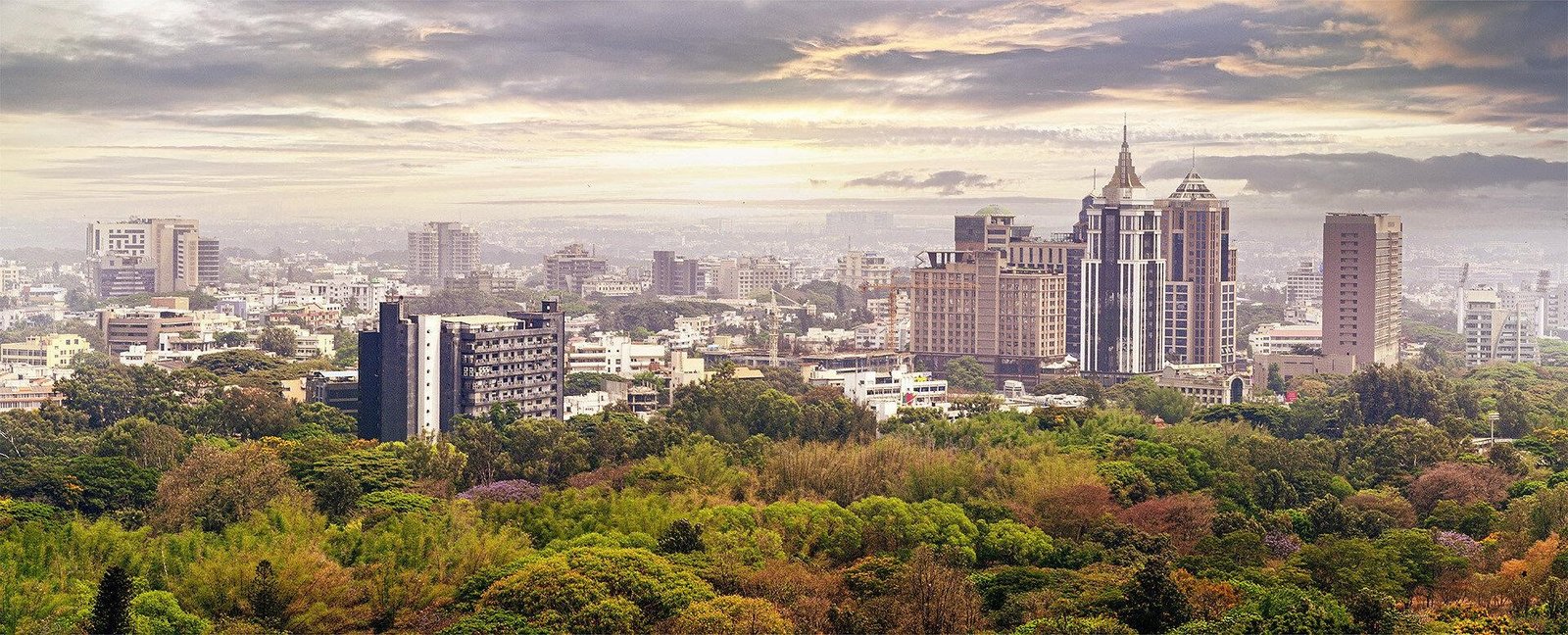
Often called India’s Silicon Valley, Bengaluru has become one of the country’s leading technology and startup centres. Numerous IT companies, startups and research institutions operate in and around the city.
The city is also known for its pleasant climate, green spaces and strong education ecosystem.
4. Hyderabad – A Major Technology and Business Centre
Hyderabad ranks fourth with 6,731,790 people according to the 2011 city-level data.
The Telangana capital combines its historic identity with a modern technology and business ecosystem. The city is famous for the Charminar, Hyderabadi cuisine and its growing IT sector.
Areas such as HITEC City have transformed Hyderabad into one of India’s major technology destinations.
5. Ahmedabad – Gujarat’s Major Urban Centre
Ahmedabad had a population of 5,577,940 in the 2011 city-level data, placing it fifth.
The city is an important commercial and industrial centre of Gujarat. It is also known for its textile industry, educational institutions, historic architecture and the Sabarmati Riverfront.
Ahmedabad’s economic importance has continued to make it one of India’s major urban centres.
6. Chennai – A Major Southern Metropolitan City
Chennai had a population of 4,646,732 according to Census 2011 city-level figures.
The capital of Tamil Nadu is an important centre for automobiles, manufacturing, IT, education and healthcare.
Chennai is also known for Marina Beach, classical music, Tamil culture and its long-standing automobile industry.
7. Kolkata – The Cultural Capital of Eastern India
Kolkata ranks seventh with 4,496,694 people in the city-level Census 2011 data.
The capital of West Bengal has a rich history and is widely recognised for its literature, art, music and cultural traditions.
Important landmarks include the Victoria Memorial, Howrah Bridge and Indian Museum.
Kolkata also remains a major commercial and transportation hub for eastern India.
8. Surat – A Fast-Growing Business City
Surat had a population of 4,467,797 in 2011, placing it eighth among the cities listed here.
The Gujarat city is particularly well known for its diamond-processing and textile industries. Surat has experienced significant economic and urban growth and is one of India’s important business centres.
Its rapid development has also contributed to increasing demand for housing, transport and infrastructure.
9. Pune – Education and IT Hub
Pune recorded a city-proper population of 3,124,458 in Census 2011.
Located in Maharashtra, Pune is known for its universities, educational institutions, automobile industry and growing IT sector.
The city has also become a popular destination for professionals and students from different parts of India.
10. Jaipur – The Pink City
Jaipur completes the top 10 with a population of 3,046,163 in the 2011 city-level data.
The capital of Rajasthan is one of India’s most popular tourist destinations. Its forts, palaces, markets and traditional architecture attract visitors from India and abroad.
Jaipur is also an important centre for tourism, handicrafts, jewellery and traditional industries.
Why Do Population Figures Differ?
One of the most common questions about India’s largest cities is why different websites show different population numbers.
The main reason is the definition of a city.
A city-proper figure counts the population within the administrative boundaries of the city. An urban agglomeration or metropolitan figure can include neighbouring municipalities, suburbs and surrounding urban areas.
For example, the population ranking can change significantly when metropolitan areas rather than individual municipal boundaries are compared.
Therefore, whenever you publish population statistics, it is important to mention whether the figures refer to city proper, urban agglomeration or metropolitan area.
India’s Urban Population Is Changing
India’s cities continue to play a major role in economic development. People move towards large urban centres for employment, education, healthcare and business opportunities.
As cities grow, governments face challenges related to housing, traffic, pollution, public transport, water supply and infrastructure.
At the same time, large cities create opportunities for businesses, startups, technology companies and skilled workers.
The coming years are likely to see further changes in India’s urban population distribution. However, a new official census is needed to provide a comprehensive, comparable population picture.
Conclusion
Mumbai remains the most populated individual city in India according to the 2011 Census city-level figures, followed by Delhi and Bengaluru. Hyderabad, Ahmedabad, Chennai, Kolkata, Surat, Pune and Jaipur complete the top 10.
However, population rankings should always be read with the geographical definition in mind. City-proper figures and metropolitan-area figures are not interchangeable.
For accurate population information, the Census of India remains the key official source.
About the Author